All Categories
Featured

Smart Infrastructure for Future Tech Transformation
Table of Contents
Digital change is a tactical restructuring of a service constructed on innovation, encompassing procedures, culture, client experience, and governance designs. Although this term has been utilized extensively in presentations, tenders, and strategy sessions over current years, it ultimately boils down to a really concrete question: can a company quickly alter the method it runs when the marketplace, consumer habits, or new innovations demand it? It is important not to puzzle improvement with automation they are not the same.
Replacing paper applications with an online form, introducing a chatbot rather of a call center, or executing a CRM so managers no longer track clients in note pads. Transformation is an even more basic process. It is not almost implementing a CRM, however about relocating to a fully transparent sales design.
Not simply launching a consumer app, but creating a brand-new sales channel that is personalized in genuine time. Simply put, we are speaking about altering the internal reasoning of the service when a company moves far from running by inertia and starts making decisions based upon information. In 2026, company owner no longer need to be convinced of the importance of digital change.

Building Cloud-Native Smart Infrastructure for Tomorrow
What does this mean in truth? Customers anticipate simplicity, speed, and openness. Markets change in months, not years. And teams must have the ability to adapt and adjust processes to new conditions. Business that understand the worth of digital transformation now operate with confidence without extreme approvals, without manual control, without spaces in between marketing and operations.
Others, on the other hand, hang out on limitless discussions, looking for the right information in Excel spreadsheets, and as a result stop working to make quick and effective strategic decisions. The genuine benefit of change is not trendy tools, however the clearness it brings lastly seeing what is happening inside business and understanding how to affect it.
However installing brand-new software application resembles altering the phase embeded in a theater and expecting the performance to enhance. Digital change is far more comprehensive: the script must be rewritten, functions rethought, and actors re-trained to carry out in a different way. And all of this happens not during practice session breaks, but live, throughout the performance itself.
Just when all of them work in alignment does improvement stop appearing like yet another technical job and start providing genuine organization impact. It is at the crossway of these elements that digital change trends emerge determining who sets the pace and becomes the main character, and who remains in the audience.
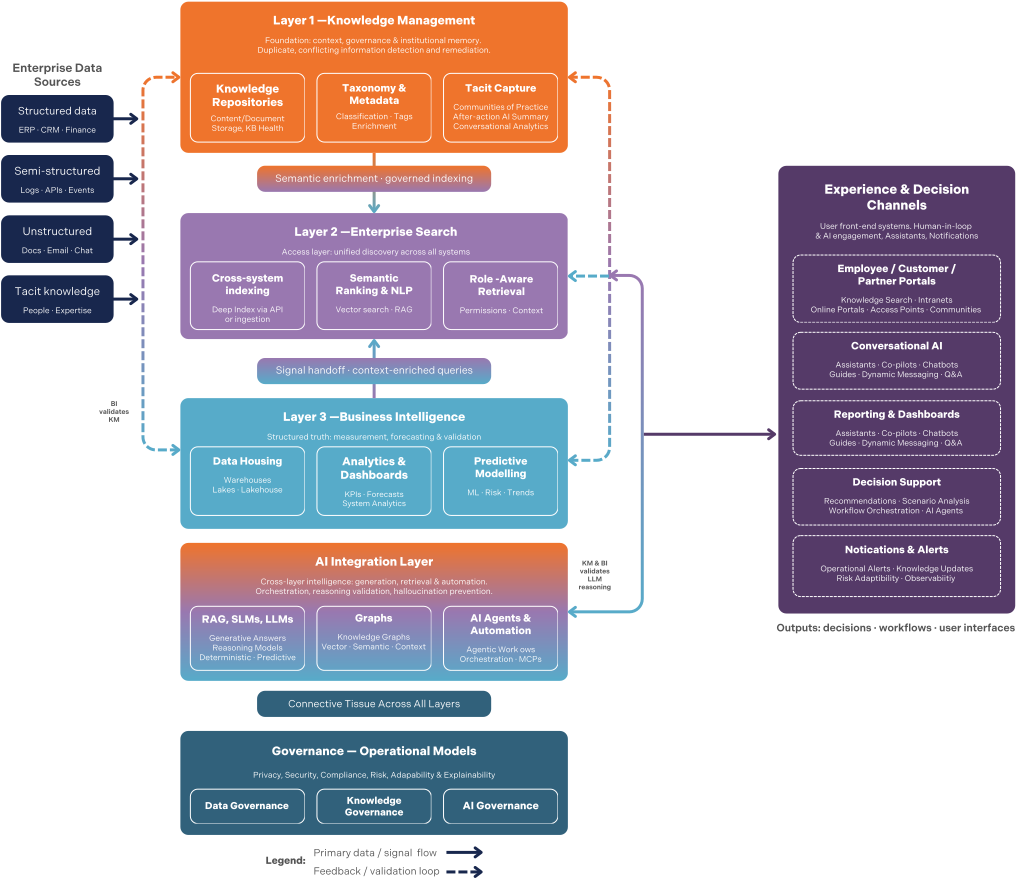
It defines the speed of change, the dependability of processes, and the ability to scale without disruptions. Modular IT architecture that is quickly adaptable and does not disrupt company operations with every upgrade. Integration in between systems where information is not separated but freely transfers to where it is needed. Automation of crucial processes, getting rid of dependence on human aspects and lowering the number of error points.
Predicting the Future for Corporate Tech TransformationHow to Maintain Enterprise Hubs in 2026?
Organization procedures are the functional logic of a business. If they are disorderly, even the best system will not be able to make the work reliable.
Automate what does not need human decision-making. The goal is not simply to optimize, but to reduce operational noise, accelerate reaction times, and make processes scalable. That introducing a new item takes 3 weeks instead of six months. That consumers don't wait a day for a reaction, however receive it within minutes.
Without a change in mindset, transformation does not work. The company should learn to reside in a mode of continuous modification: exploring, accepting feedback, and rapidly adjusting direction. Organizational culture should support change. a various design of management (service instead of control), development of digital literacy within the team, determination to deal with information and transparency.
Digital change makes no sense if the customer does not feel it. Technically, whatever may look perfect: new systems implemented, processes automated, polished control panels in place. If the customer still waits 2 days for order confirmation, gets confused by payment options, or has to call to get an easy answer, this is poor improvement.
New Corporate Innovation Cycles for Digital Growth
Consumer experience is an end-to-end reasoning: from the very first click the site to post-purchase assistance. Transformation needs to connect these touchpoints into a single, constant system, where each step is a sensible extension of the previous one. The consumer does not evaluate improvement itself, however convenience, speed, and a sense of control.

Latest Posts
Unlocking ROI From Enterprise Innovation Hubs

Structuring Smart Systems in Modern R&D

Unlocking ROI Through Enterprise Innovation Hubs