All Categories
Featured
Table of Contents
Business R&D provides speed and market significance, while traditional R&D supplies depth for groundbreaking innovations. Industries like pharmaceuticals demonstrate the need for both: conventional R&D for molecular advancements, and Business R&D to develop sustainable income designs for new treatments. Simply take a look at how revolutionary AI as an innovation has actually been, yet over 85% of AI start-ups will be out of organization in 3 years because they have actually not found a sustainable organization design.
The most successful business foster synergy in between these 2 R&D methods. A sketch from Alex Osterwalder comparing the 2 methods Aand talk about potential product advancement: Our market research study indicates a strong interest in a wise home security system. Possible consumers have budget plans of around $500. What would advancement require? Well, we're taking a look at approximately $2 million in advancement costs and a two-year timeline.
That's longer than perfect, given market volatility. We also determined interest in wise thermostats, voice-controlled lighting, and water leakage detection systems. Are there any quicker options? Hmm We could develop the smart thermostat using existing innovation much faster and cost-effectively. Intriguing. Let's perform additional research study to identify which includes customers worth most.

Proven Methods for Operating Agile Innovation Hubs
Let us understand if you need a prototype. Not. Let's utilize storyboards to gather initial feedback, then return with more particular demands. You're right, that would be a much safer approach. I'm looking forward to those insights! As the pace of service accelerates, integrating R&D with service strategy will become significantly important.
By comprehending the strengths and constraints of each method, business can build a robust development method that drives immediate and sustainable growth. The future of development lies in this hybrid model, where traditional R&D offers the deep, fundamental insights required for advancement science and technologies, and company R&D guarantees that these developments are carefully aligned with market needs and can be advertised.
This article has been edited from the original released on.
Tradition Systems Into Agile Advancement PlatformsBoston, MA, 10 August 2020 FCLTGlobal, a non-profit organization that develops research and tools that motivate long-term organization and investing, today released a new report highlighting potential modifications in the method companies and financiers approach business R&D spending. Financing the Future: Buying Long-horizon Innovation suggests, based upon market data from 2009-2018, that a downturn in R&D returns is a result of a shorter-term focus with regard to ingenious jobs undertaken by public business.
How Next-Gen R&D Hubs Influence Markets
In between 2009-2018, overall global R&D spending grew from $374 billion to $778 billion. The productivity of that additional financial investment has been declining an evaluation of the pharmaceutical market in particular discovers that the expenses to bring a possession to market had increased to $2.2 billion in 2018 while returns on R&D financial investment had fallen to 1.9 percent.
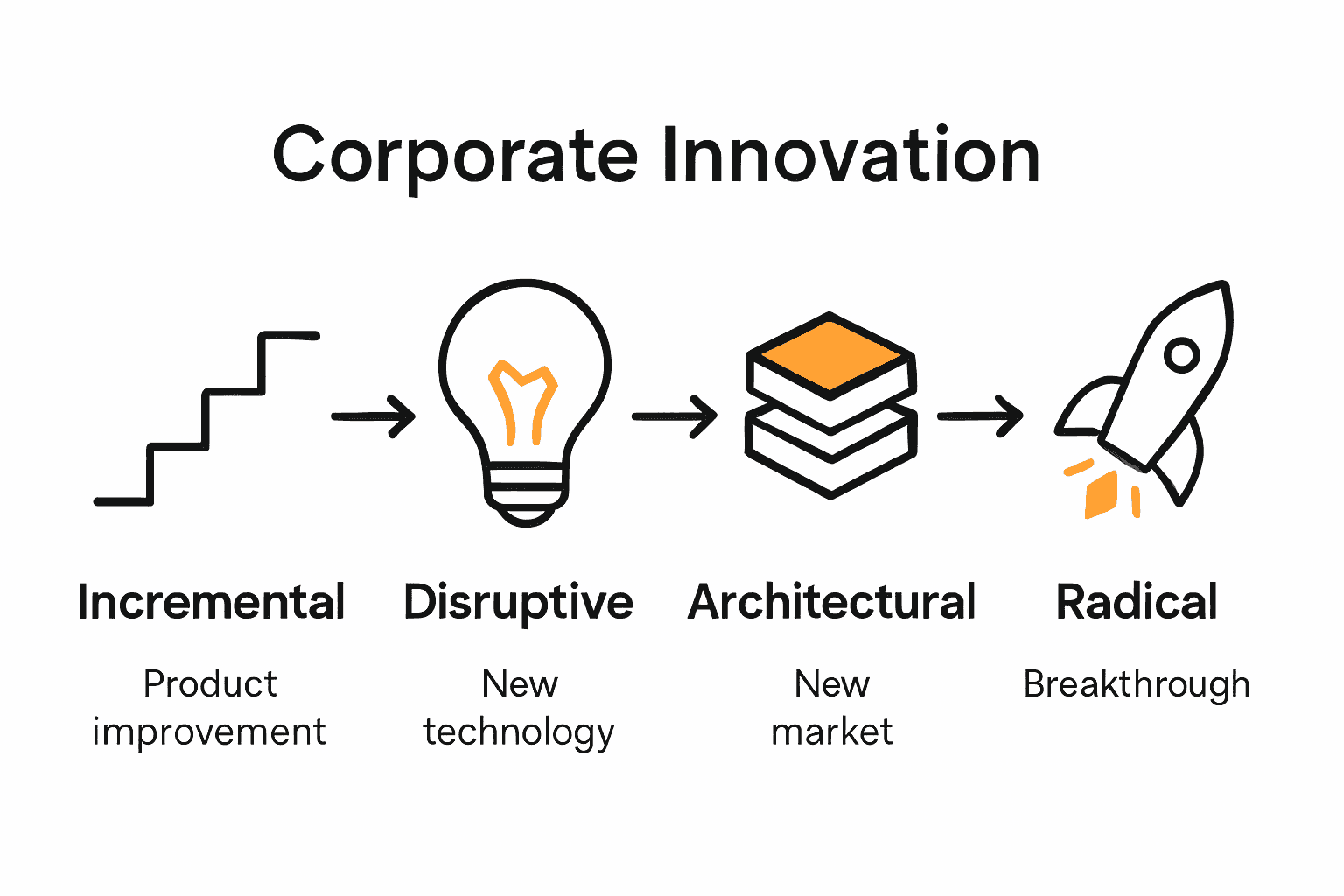
In the face of such pressure, corporate management teams tend to cut long-horizon tasks. This propensity leaves business and investors with unbalanced development portfolios, preferring short-term projects that offer more returns that are lower but more reliable. "Overweighting of short-term jobs sacrifices substantial return possible discovering new methods to manage R&D financial investments could rebalance portfolios and deliver much better returns for companies, their investors and society," said Sarah Keohane Williamson, CEO of FCLTGlobal.
Both are essential." Prior research study from FCLTGlobal recommends business that reinvest a higher portion of their profits internally, including into R&D projects, outperform their peers by 9 percent annually typically. The report proposes alternative ways to structure, value, and handle long-horizon R&D in a manner that both companies and their shareholders can enhance their portfolios, including: Permitting members of the R&D team to deal with several projects simultaneously to motivate a more objective, portfolio-oriented perspective Using performance metrics for brief-, medium-, and long-horizon projects that acknowledge and represent the distinctions in job profile Sharing with financiers the breakdown of R&D budget plan by expected time to market Allowing for "fast failure" to alleviate behavioral predispositions Alongside these recommendations, FCLTGlobal has developed an interactive that permits corporate boards, executives, and risk committees to determine their ideal R&D allocation between brief, mid, and long variety tasks.
Our Subscription is consisted of international possession owners, possession managers, and business that play a leading function in rebalancing capital markets for sustainable growth. Please visit ### Ross Parker +1 508 667 5451.
Why Modern Innovation Hubs Drive Value
Corporate labs hold a special location in the advancement of the contemporary office. Places like the Bell Labs research study center in Murray Hill, New Jersey, which developed solar batteries and transistors in a distinct multi-disciplinary environment, or DuPont's R&D system, which considerably advanced the chemistry of product science, have actually achieved almost mythological status on account of the breakthrough innovations produced behind their closely safeguarded doors.

Latest Posts
Unlocking ROI From Enterprise Innovation Hubs
Structuring Smart Systems in Modern R&D
Unlocking ROI Through Enterprise Innovation Hubs